Biography
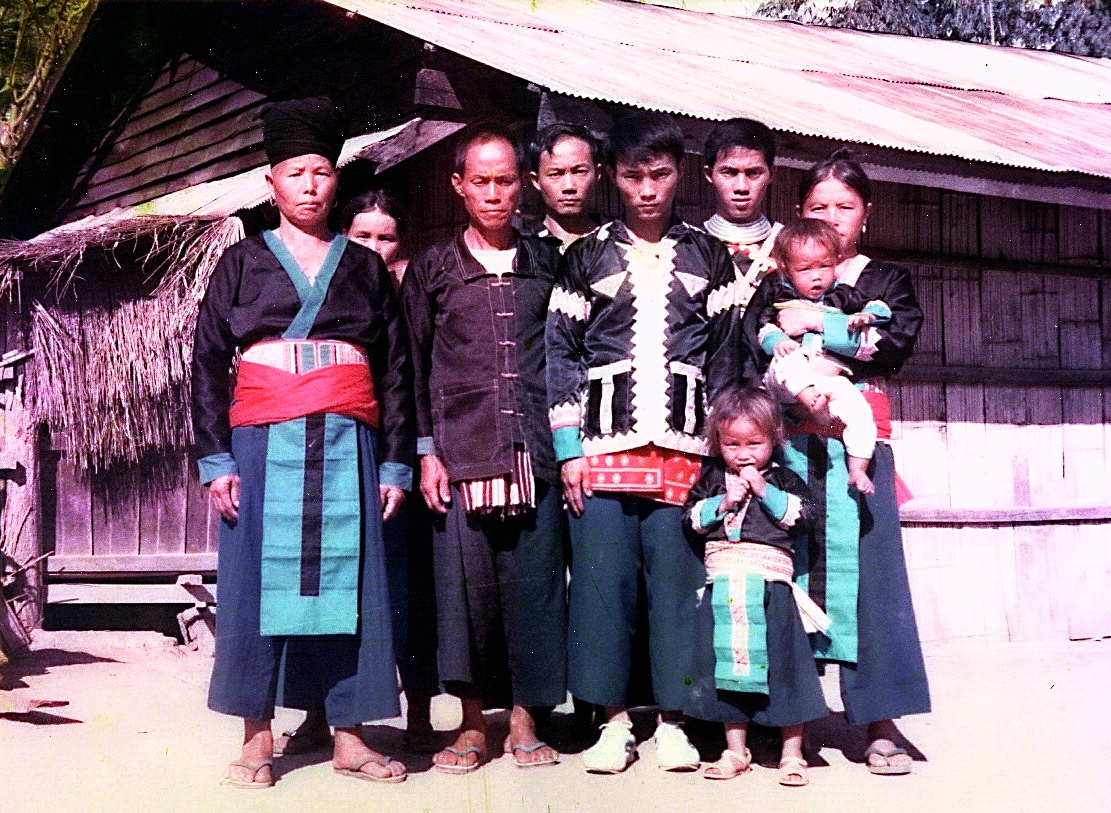
My mother gave birth to me in a small Hmong community near Ban Nam Khae, in Bo Kluea Nuea Sub-district, Bo Kluea District, Nan Province — a mountain village close to the Thai–Lao border. When I was about two years old, we moved to Doi Phu Paen village (today the headwater area of Huai Phiu, which flows eastward and joins the Nan River at Ban Na Pong), where we lived for about four years. Around that time, communist forces from the Lao side began to move in to mobilise the Hmong and Lua communities along the Thai–Lao border, and several Hmong villages in the area became sites of armed clashes between the communists and the Thai military.
One day in early 1970, communist soldiers surrounded our small village. Fortunately, the village leaders managed to escape, and we took temporary refuge at Ban Bo Yuak in Bo Kluea Nuea Sub-district. After several days, my father — who was the village headman at the time and had good relations with the district chief (kamnan) and the local Thai soldiers — decided to take me on a military helicopter down to the hill-tribe evacuation centre at Ban Pa Klang, Sila Laeng Sub-district, Pua District. That centre had been receiving Hmong and Iu Mien people fleeing the communists from their mountain villages since early 1968. In the following month, my mother and my older siblings walked down to join us at Pa Klang.
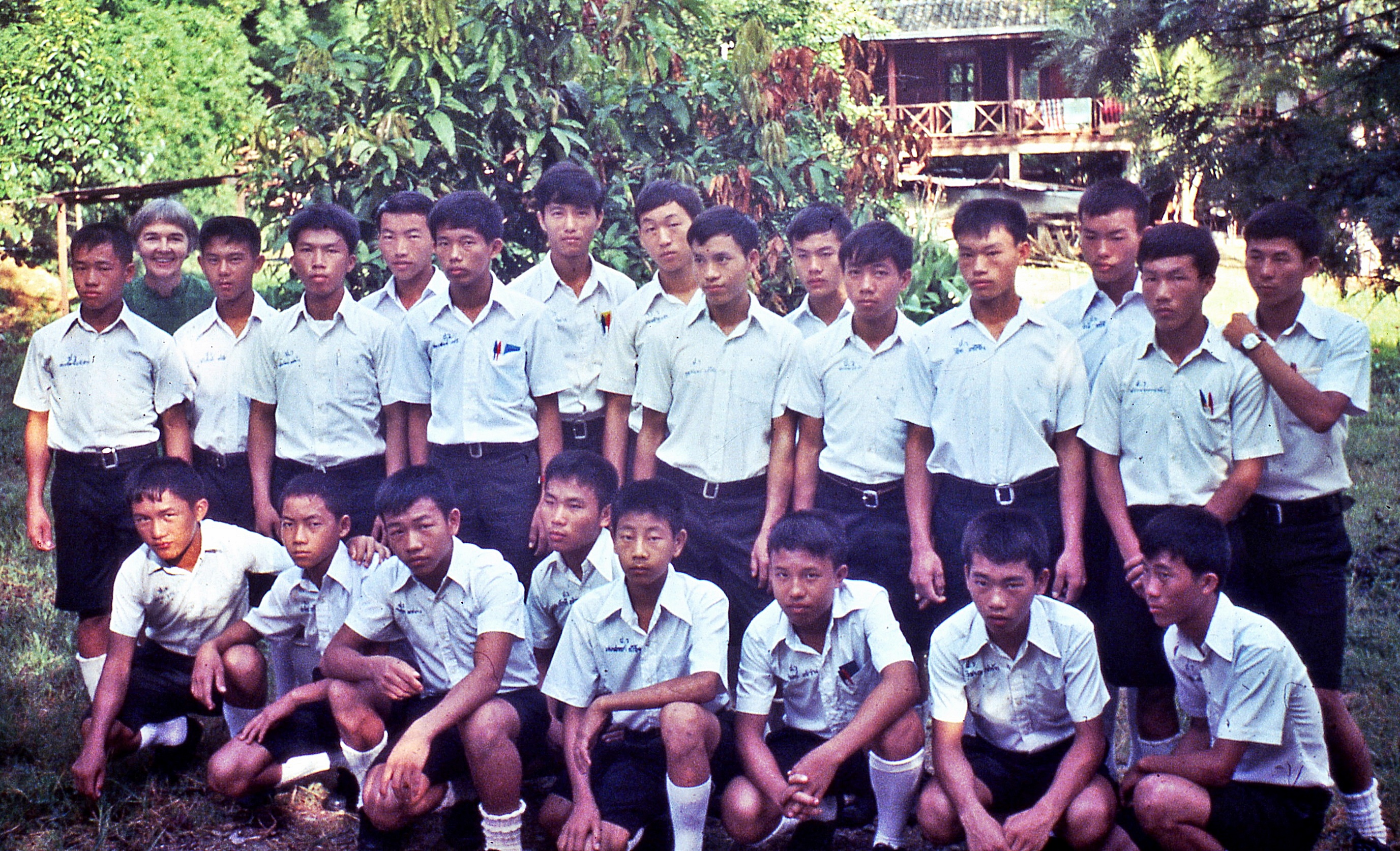
In May 1970, when the school term began, my father sent my older brother and me to study at Ban Pa Klang School. I studied there from Grade 1 through Grade 7. Then, in 1977, I went on to Matthayom 1 at Pua School, five kilometres from Ban Pa Klang. The journey was very difficult in those days, so I asked to stay at the Christian hostel in Pua town in order to attend Pua School, and I completed Matthayom 5 there in early 1982.
After finishing upper secondary school, I failed the university entrance examination and did not want to continue at a teachers’ college (later renamed Rajabhat University), so I went to Bangkok and enrolled at Ramkhamhaeng University — at that time the only open university in the country. My maternal uncle arranged for me to stay as a temple boy (dek wat) in the abbot’s quarters at Wat Benchamabophit Dusitvanaram. It took me three and a half years to complete my Bachelor’s degree in Political Science. I then enrolled in the Master’s programme in Population and Social Research at Mahidol University in the 1986 academic year and completed it in two years.
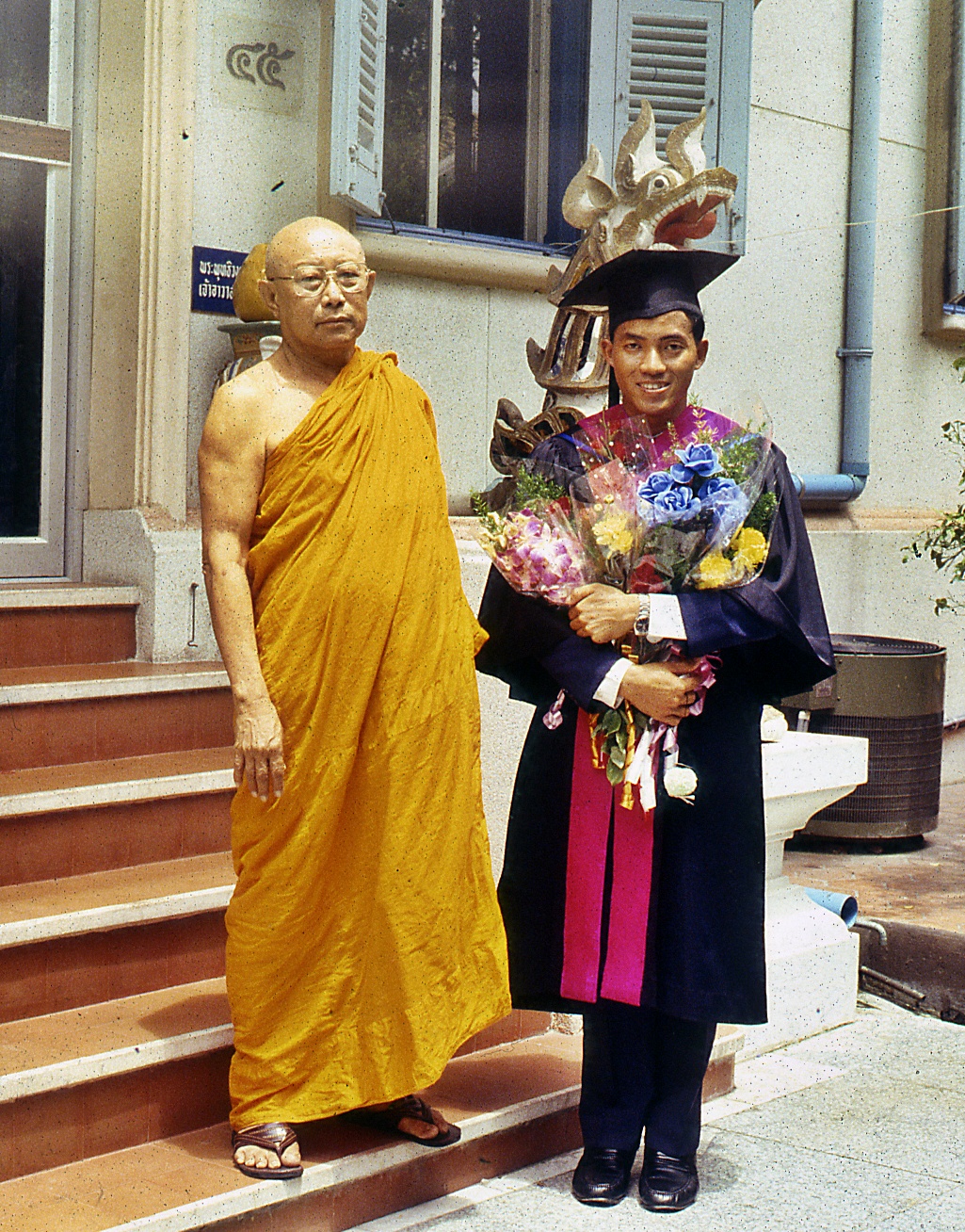
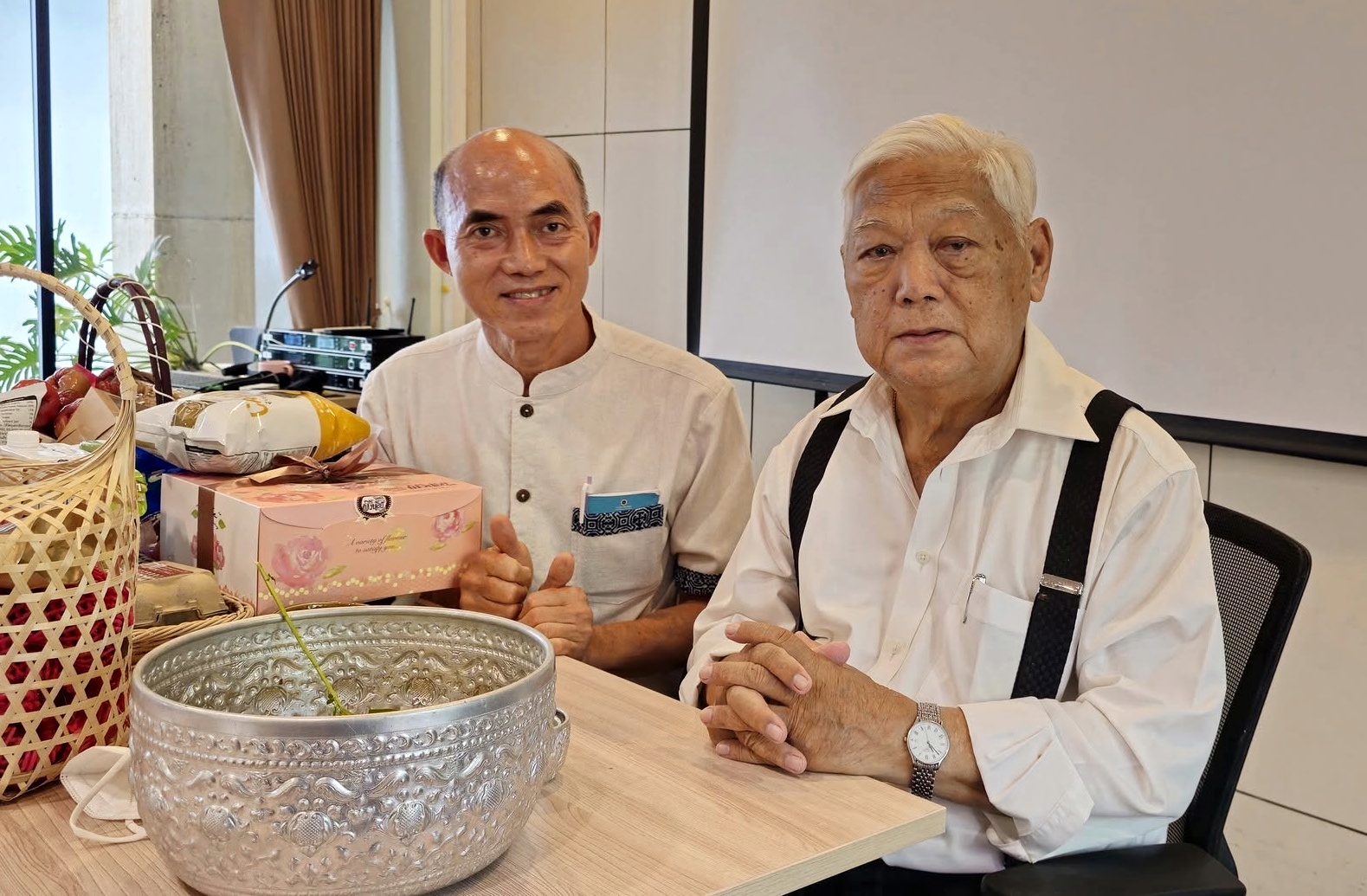
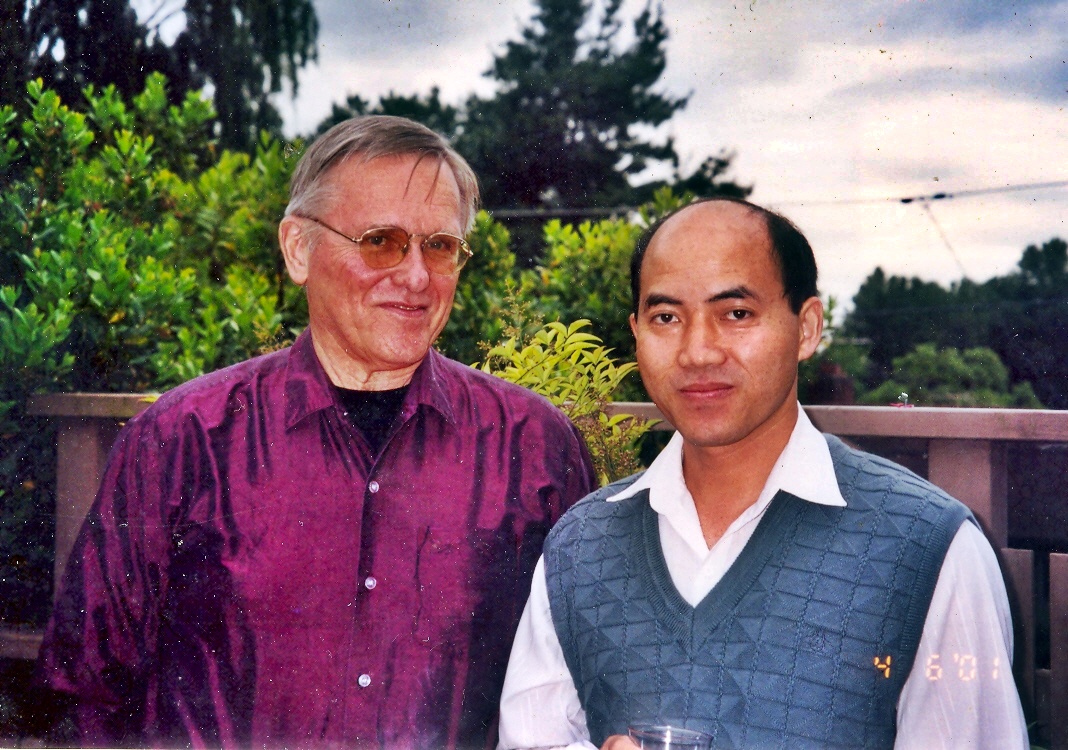
In 1988, I began my career as a research assistant to Dr. Peter Kunstadter of the University of California, San Francisco, in a study of Hmong population, economy and society in Chiang Mai. At the same time, I passed the civil service examination, completed the training, and was appointed as a district officer (palat amphoe). However, I chose the academic path instead, because it seemed to offer more freedom in my work. The following year I came to know Dr. Chayan Vaddhanaphuti, Director of the Social Research Institute at Chiang Mai University, and worked as his research assistant on hill-tribe research projects. I was later appointed as a civil servant in the position of researcher in 1991.
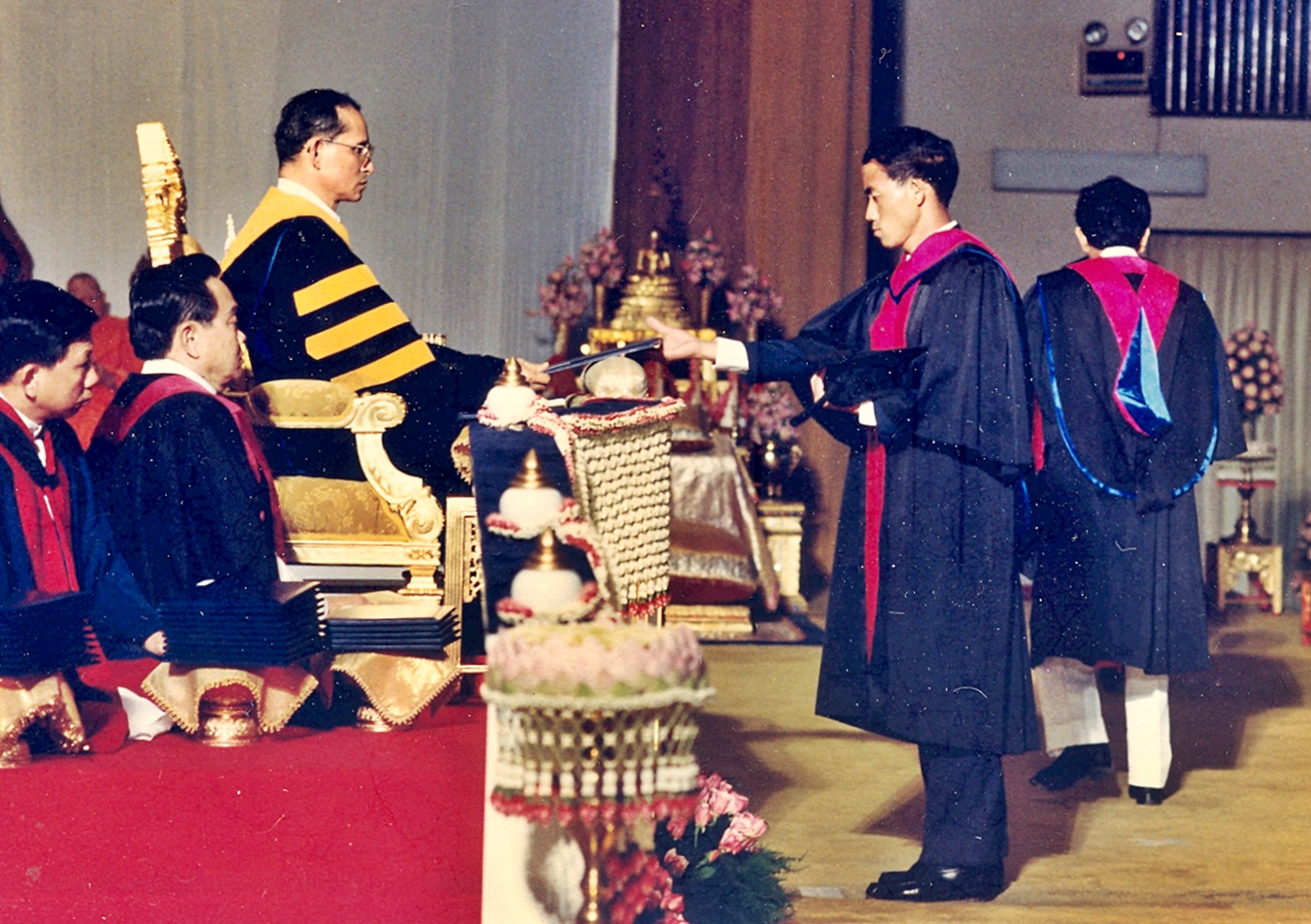
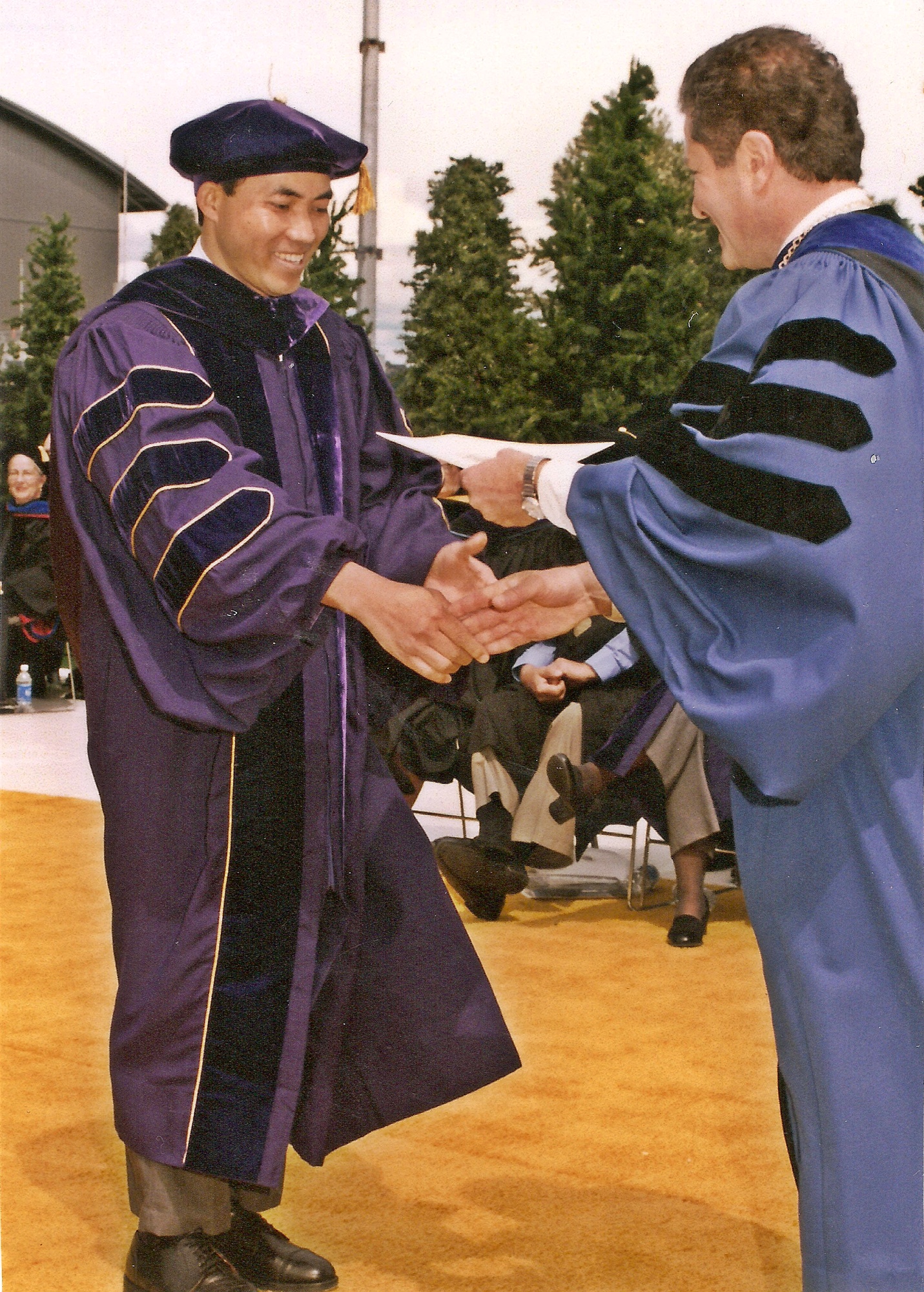
Being in the academic community of Chiang Mai University brought me into contact with foreign scholars who came to study Thai society, especially the anthropologists then interested in hill-tribe research. One of them was Professor Charles F. Keyes of the University of Washington in Seattle. After meeting and conversing with him several times, I asked for information and applied to study for a doctorate under his supervision. In the autumn of 1995, I began doctoral studies in Cultural Anthropology at the University of Washington, Seattle, supported initially by a Ford Foundation fellowship (through Chiang Mai University) and later by the Wenner-Gren Foundation for Anthropological Research, and I completed my PhD in the spring of 2001.
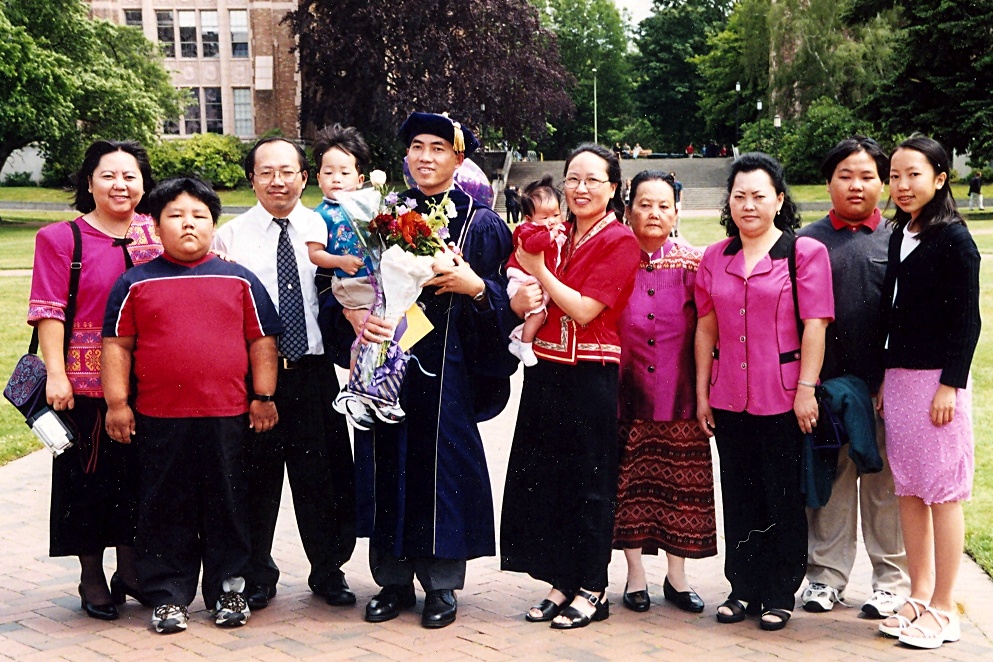
After completing my doctorate, I returned to work as a researcher at the Social Research Institute, Chiang Mai University. In 2010, I transferred to the Faculty of Social Sciences as a lecturer, becoming one of the pioneering lecturers who helped establish the Department of Social Science and Development, and in that same year I began teaching the first cohort of the Master’s programme in Ethnic Relations and Development. The courses I have taught — at doctoral, master’s and bachelor’s levels, in both Thai and English programmes — include:
- Social Science Theory (selected topics)
- Theories of Ethnic Relations and Development
- Ethnic Relations and Indigenous Peoples’ Movements
- Tourism in ASEAN
- Religion and Social Change
- Dynamics of Highland Ethnic Communities
- Hmong Society and Culture
The research I am interested in and have carried out includes the following example projects:
- The adaptation of highlanders who have moved into the city
- State policy and its impact on Hmong society and culture and other highland ethnic groups
- Transnational Hmong networks
- Indigenous peoples’ movements in Thailand and Southeast Asia
- Lanna guardian spirits (Thepharak Lanna)
- Ethnic tourism
- School education systems and their impact on ethnic groups
- Surnames and the Thai-ification of ethnic groups
- Christianity and the civilisation of the Hmong
- Ethnic cosmologies
- Thammacharik (Buddhist missionaries) and the spread of Buddhism among highland ethnic groups
- Hemp (māng / ganja) in Hmong livelihoods, among others